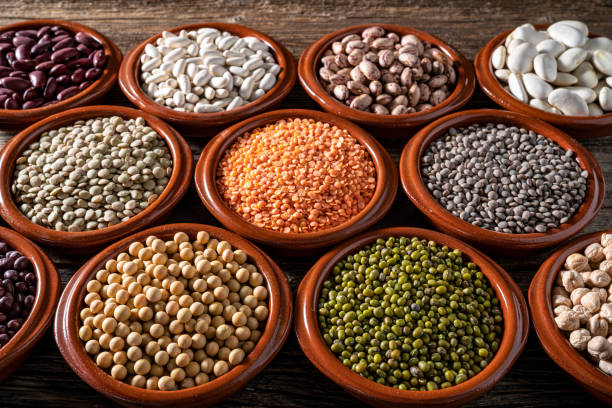
The increasing demand of Pulses in UAE Food Industry: An Ad Golden Opportunity to the Exporters.
The United Arab Emirates has become one of the most vibrant food markets within the Middle East, and pulses are becoming increasingly important in the UAE cuisine. Being a country that brings in about 90 percent of its food needs, the demand for pulses in UAE food industry is still on the rampage, fuelled by a multicultural expatriate population, increased health awareness, and the strategic location of UAE as a food centre in the region.
Recent Market Patterns that drive the Pulse Industry.
Increasing Health Consciousness.
Pulses are presently in unparalleled demand for Pulses in uae Food Industry as consumers are getting aware of the nutritional value of this type of protein-rich legumes. The UAE residents are also actively buying alternatives to protein sources, pulses are a perfect solution in this situation as they contain a lot of fiber, essential minerals, and have a low glycemic index.
Key trends include:
- Increased demand of organic and non-GMO pulses.
- Daily intake of more lentils, chickpeas and beans.
- Increasing popularity of snacks based on pulse and ready-to-eat items.
- Pulse fusion cuisine and contemporary restaurant menus.
The Diversity of Demographics that Lead to Consumption.
The multicultural nature of the UAE which includes large South Asian, Middle Eastern, and African populations has developed the long-term pulse demand for pulses in uae food industry. The population of Indian, Pakistani and Bangladeshi expatriates is a large consumer market; they preserve their traditional dieting habits, in which different types of pulse are highly represented.
Import Statistics: Knowledge of the Numbers.
Market Size and Growth
The pulse market in UAE has recorded incredible growth in the last 10 years. Based on recent trade statistics:
- The UAE is among the importers of pulses to the tune of 450,000-500,000 metric tons per year.
- Market value was approximated to USD 400-450 million.
- An average of 6-8% growth rate per year.
- Volumes of imports are projected to hit 600,000 metric tons in the year 2027.
Major Pulse Categories
- demand for pulses in uae food industry cuts across a variety of types:
- Chickpeas ( Kabuli Chana): 35-40% of total imports.
- Lentils (Red, Yellow, Green): 30-35 percent of imports.
- Black Gram (Urad Dal): 10-12 percent of imports.
- Pigeon Peas (Toor Dal): 8-10% of imports.
- Others including Mung Beans: 10-15% of imports.
Import Sources
Pulse supply chain to UAE is dominated by India, which is 60-65 percent of total imports. The other major suppliers are Canada, Australia, Myanmar and Tanzania. Nevertheless, the stable application of pulses in the UAE food market by Indian suppliers speaks of quality and trade established.
The reason Indian Pulses are more popular among UAE Consumers.
Superior Quality Standards
- Indian pulses have received an outstanding market profile in the UAE markets because of a number of reasons that are leading to the demand for pulses in uae food industry:
- Value and Excellence: Indian pulses preserve classic taste schemes that are appealing to South Asian expatriates who constitute the biggest consumer group.
- Diversity and Availability: India has more than 25 types of pulses and this gives UAE importers a lot of options to satisfy the consumer needs of the diverse consumers.
- Constancy of Quality: Indian exporters follow high quality standards where they conform to standard sizes, color and minimum impurities.
Cultural and Culinary Relationships.
There is a significant influence of the demand for pulses in uae food industry by the strong cultural ties of India and the UAE. The classic Indian foods such as dal makhani, sambhar and chana masala continue to be the main dishes in the UAE homes and restaurants, and guaranteed a steady demand of the authentic Indian pulse types.
Competitive Pricing
Indian pulses have good value propositions, that is, quality and competitive prices. This cost aspect maintains the pulse demand for pulses in uae food industry among the different classes of consumers comprising the low-income families and the high-end restaurants chains.
Established Supply Chains
Trade relations between the Indian exporters and the UAE importers have established a strong logistics network which guarantees a high supply and a timely delivery. This infrastructure facilitates the annual year-round demand of pulses in UAE food industry.
Exporting Opportunities.
Market Entry Strategies
The increasing consumption of pulses in the UAE food industry offers good business prospects to the Indian exporters:
- Direct Partnerships: Developing contacts with UAE-based wholesalers, retailers, and restaurants chains.
- Value Addition: Retailing of pre-cleaned, sorted and packaged pulses.
- Organic Certification: Tapping into organic premium pulse market.
- Private Labeling: Delivery of pulses under the uae supermarket brands.
E-business and Digital Platforms.
Growth in online grocery platforms is booming in UAE, and it has emerged as an avenue to fulfill the UAE food industry pulse demand. Exporters have the opportunity to collaborate with such sites as Noon, Carrefour Online, and Amazon UAE to direct consumers.
Food Service Sector
High demand for pulses in uae food industry Pulses are demande in the UAE food industry because the restaurant industry is vibrant with thousands of Indian, Pakistani and Middle Eastern restaurants. Exporters are able to provide bulk orders to the food service distributors and catering companies.
Re-export Opportunities
The UAE acts as a point of entry to the rest of the GCC countries as well as the African markets. The high demand for pulses in uae food industry is not only limited to the domestic market, but also to the neighboring nations that are likely to export extensively.
The Increasing role of Pulses in UAE Congestion.
Traditional Applications
The pulses have been central to the daily cuisine in the UAE as they have helped to sustain demand of pulses in uae food industry by:
- Conventional Emirati food such as harees and thareed using lentils.
- Home preparation of food with South Asian preparations of curry prevailing over cooking.
- Mezzal luncheon in the Middle East with hummus, falafel and ful medames.
- Stews and porridges made of different varieties of beans common in Africa.
Contemporary Food Innovations.
Modern chefs in the UAE are rethinking pulses in new forms, which continues to push the demand for pulses in uae food industry:
Desserts made of pulses: Chickpea brownies and lentil cakes.
Protein bowls: Comprising of mixed international flavors pulses.
Pulse pastas and breads: Gluten-free food that is becoming popular.
Nondiscriminated options: Meat-free options made of pulses in progressive restaurants.
Wellness and Health Integration.
Pulses are being marketed by nutritionists and health activists as superfoods, further boosting the demand for pulses in uae food industry. Pulse-rich meals are also being offered in fitness centers, health cafes and wellness programs.
Conclusion
demand for Pulses in uae food industry is a solid opportunity to exporters, especially the Indian ones. As the level of imports continues to grow, consumer demands shift towards the quality types of Indian, and a wider range of applications in both traditional and modern food, the market perspective is outstanding. The UAE market will be very rewarding to exporters with the ability to secure the quality, competitive prices, and reliable supply chains. As the country keeps moving on the right track of food security and dietary diversification, pulses will most certainly come to play an even more pivotal role in the future of the UAE in terms of culinary aspects.