what are the steps involved in export procedure: A Complete Guide for Beginners
This, your sensational product has attracted the attention of the customers across the ocean? That’s thrilling! However, the term export procedure may all of a sudden become an effort to crack Egyptian hieroglyphics during a game with fire-balls. Although there are steps involved in exportation, it is definitively possible to overcome it with the right attitude and the plan. Just imagine it this way: you are getting your product ready to embark on a trip in a foreign land, we are the ones who would read its luggage and take it safely to its new destination location. How about we make this journey by what are the steps involved in export procedure step by step.
Market Research Deep Dive and Finding Your Global Partner

The questions to ask before you print out shipping labels include: Who really needs this, where? Exporting is not equivalent to shipping but to matchmaking.
- Cultural & Regulatory Recon: Does your green packaging mean that you are eco-friendly… or bad luck in their culture? Which particular certifications or labelling requirements are relevant (e.g., CE Marking in the EU and FDA in the US food)?
- Demand Validation: The best strategy in case of new market is the use of tools such as Google Market Finder, trade association reports or even the targeted social media advertisement to understand genuine interest.
- The Quest to Find The One: Go to online/hybrid trade shows (Canton Fair, Expo Central), use B2B solutions (Alibaba, Global Sources), or cooperate with an in-country distributor with experience. It is just like dating, research is heartache prevention!
Writing Your Offer – Pricing strategy and the Proforma Invoice (PI)
This is the place where figures encounter bargaining. Bid in low, you are out to lunch, bid in high, then you are simply out of the deal.
- True Cost Calculation: Get out of production. Factor in:
- Export pack (strong, weatherproof, usually ISPM15 approved wood).
- Port/airport inland freight.
- Sea / Air international freight.
- Insurance (Cargo insurance is very important!).
- Customs duties and taxes (roughly estimate them using such tool as DutyCalculator).
- Bank charges.
- Your margin of profit!
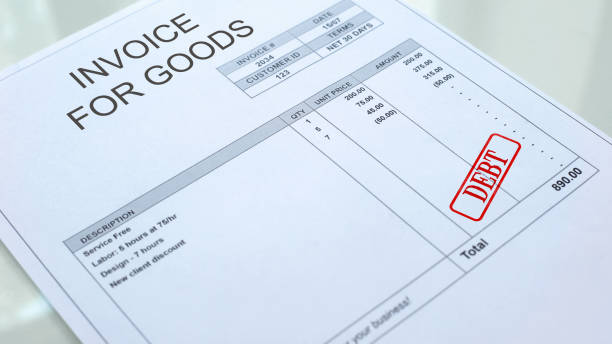
- The Proforma Invoice (PI): It is your official pre-invoice and proposal letter. It includes a description of the products, quantities, your prices calculated (that is how you price your products), delivery terms (or Incoterms(R)?), payment terms and an estimated shipping date. It is a document that is your handshake setting straight expectations. what are the steps involved in export procedure.
Closing it off – Sales Contract and magic of Incoterms ™
Your PI was accepted? Fantastic! Turn it into official and unmistakable now.
The Sales Contract: This contract is formal, which attains precedence over the PI. It spells out in great detail, EVERYTHING: the specs of the products, the quality of the products, the quantity, the price, the delivery point and the point of delivery”…most importantly, the transfer of title and risk of loss.”
Incoterms 2000: These three letter codes (such as FOB Shanghai or CIF Rotterdam) are the lingo that prescribe:
- What about responsibility: Who does the transportation? Who pays the transport?
- Risk: what is the timing of transferring the ownership/risk between the seller and the buyer?
- Cost: who is to cover loading, main freight, insurance, unloading and import clearance?
- FOB (Free On Board): It is usual in sea freight, as this system ends the commitment, or responsibility, imposed on the seller, as soon as the deliveries are safely put on the ship. EXW (Ex Works) states that the buyer is going to take care of anything out of your factory gate.”CIF (Cost, Insurance & Freight) means the seller pays for the goods, marine insurance, and transport costs to the agreed port of destination. Here you will get expert advice, what are the steps involved in export procedure
Pre-Shipment Preparation – Packing, Inspection and reservation of logistics
It is time to get your product travel-ready and book a ticket to it!

Export-Strength Packing: So long dainty boxes. Inspect containers, pallets, and materials for seaworthiness. Making sure of markings: Consignee information, port of destination, handling instructions, country of origin, hazardous substance labels (standard when there are hazardous materials). It is crucial to be precise!
Pre-Shipment Inspection is a key step when exploring what are the steps involved in export procedure. It is often required by buyers or specified in the Letter of Credit (L/C). An independent inspection company—such as SGS or Bureau Veritas—is hired to verify that the quantity, quality, and packing match the contract terms.
This step builds trust, ensures compliance, and helps avoid costly rejections when the goods arrive at their destination.
Freight Booking & Selection of forwarder:
- Sea Freight: Ocean freight is cheaper when there is large amount of packages or containers (FCL – Full Container Load) or those carried out by containers (LCL – Less than Container Load). Slower transit.
- Air Freight: sooner, more costly. Type of goods that would work well with this would be high-value items, perishable items or urgent items.
- Your Freight Forwarder: Your export Sherpas! An excellent forwarder should organize booking, documentation tips, custom assistance, and tracking. Select one who is knowledgeable with your particular destination.
taming The Paper Mountain (Your Export Docs)
Documentation is the life line or the death of an export. This is the one that scares most but go at it one doc a time! The most important documents are normally:
- Commercial Invoice: The typical document, known as the formal or official conscription of the import and export, details the value, the description, the buyer/seller information. Has to correspond with the PI/Sales Contract.
- Packing List: Catalog of the contents in each package, weights and dimensions. Essential for managing customs clearance and freight operations
- When learning: what are the steps involved in export procedure, it is vital to have an idea of the Certificate of Origin (COO). This document will attest the nation of origin of the manufactured or produced goods. It is regularly published or certified by your local Chamber of Commerce and possibly mandatory to identify duties, fulfill customs requirements, or be allowed preferential treatment as part of trade agreements.
- The most important ones are the Bill of Lading (Sea) or Air Waybill (Air): B/L is a receipt of cargo, contract of carriage and a document of title. The buyer needs the “Original” B/L (mostly in 3 copies) to take goods. An Air Waybill (AWB) is used for air shipments but does not serve as a document of title
- Insurance Certificate: Evidence that you had insured the cargo against loss/damage when in transit (this is particularly important when using CIF or CIP terms to the contract).
- Export License/ Permits: Commodities export licence is mandatory in some controlled commodities (e.g. chemicals, defence-related commodities, some agricultural products).
Clearing the Customs (Export)
Your customs authority must issue green light to your goods before they leave your country.
- There is a submission procedure known as the Export Declaration; in the US, the equivalent is the Electronic Export Information (EEI), which is reported through the Automated Export System (AES). Electronic similar systems are present in most countries.
- Role of the Customs Broker Definition: When discussing the question of what are the steps involved in export procedure, one faces the most important choice of self-filing or through a licensed customs broker. Although one can self-file, it is strongly suggested to have the assistance of a customs broker that is aware of what is called tariff codes, such as Schedule B (10-digit code in the U.S.) or the Harmonized System (HS) worldwide.
- They make sure that there will be no delays or penalties, they make sure that your goods will be delivered easily. Always provide your broker with all the necessary documents in the form of perfection and as scheduled.
- Customs inspection: On occasion customs may physically inspect shipments. Make sure you pack in a manner that you can easily inspect and repack it.
Departure & Tracking of Shipment- We are off!
Your goods go wrong!
- Handover: Supply goods delivery location to port /airport depending on Incoterms 2 ).
- Tracking: To track the use Bill of lading number or AWB number and track through carrier or forwarders web site.
- ETA Updates: Inform your buyer in terms of Estimated Time of Arrival.
How to Protect Your Payment – How We Get Paid Working
Pay day- choose wisely!
- Letter of Credit (L/C): Good security; bank is obliged to honour the letter when all the documents are in order.
- Documentary Collection: bank receives payment (D/P) or promises (D/A) in the exchange of documents.
- Advance Payment: Paying in advance; Payment before shipping; the safest you remain.
- Open Account: Pay afterwards, receive now; the greatest risk, must trust.
- what are the steps involved in export procedure. well explained
Destination Customs Clearance delivery
Goods arrived buyer takes charge.
- Role of Importer: Buyer does the customs, duties and final delivery.
- Your Role: Submit all the necessary papers within the shortest time possible and help regarding any inquiry.
Post-Shipment Wrap-Up Relationship Building
Deliver well and then complete.
- Record Keeping: Keep a record of everything at least up to 5 years.
- Feedback: Request the buyer to answer how it was done- establish commonality.
- Review: Examine what went well and work on it the second time.